The 5% Frontier Companies That Figured Out How To Compound Intelligent Performance.
You’re Tracking AI Cost Savings, Your Competitors Are Tracking Compounding Intelligence.
MIT Sloan Management Review found something that should change how every executive thinks about AI investment. Agentic AI systems don’t depreciate like tools. They appreciate through continuous learning and emergent capabilities. The more they run, the smarter they get. Traditional ROI models weren’t built to measure this. Most organizations are undervaluing the long-term returns, because they’re using the wrong framework entirely.
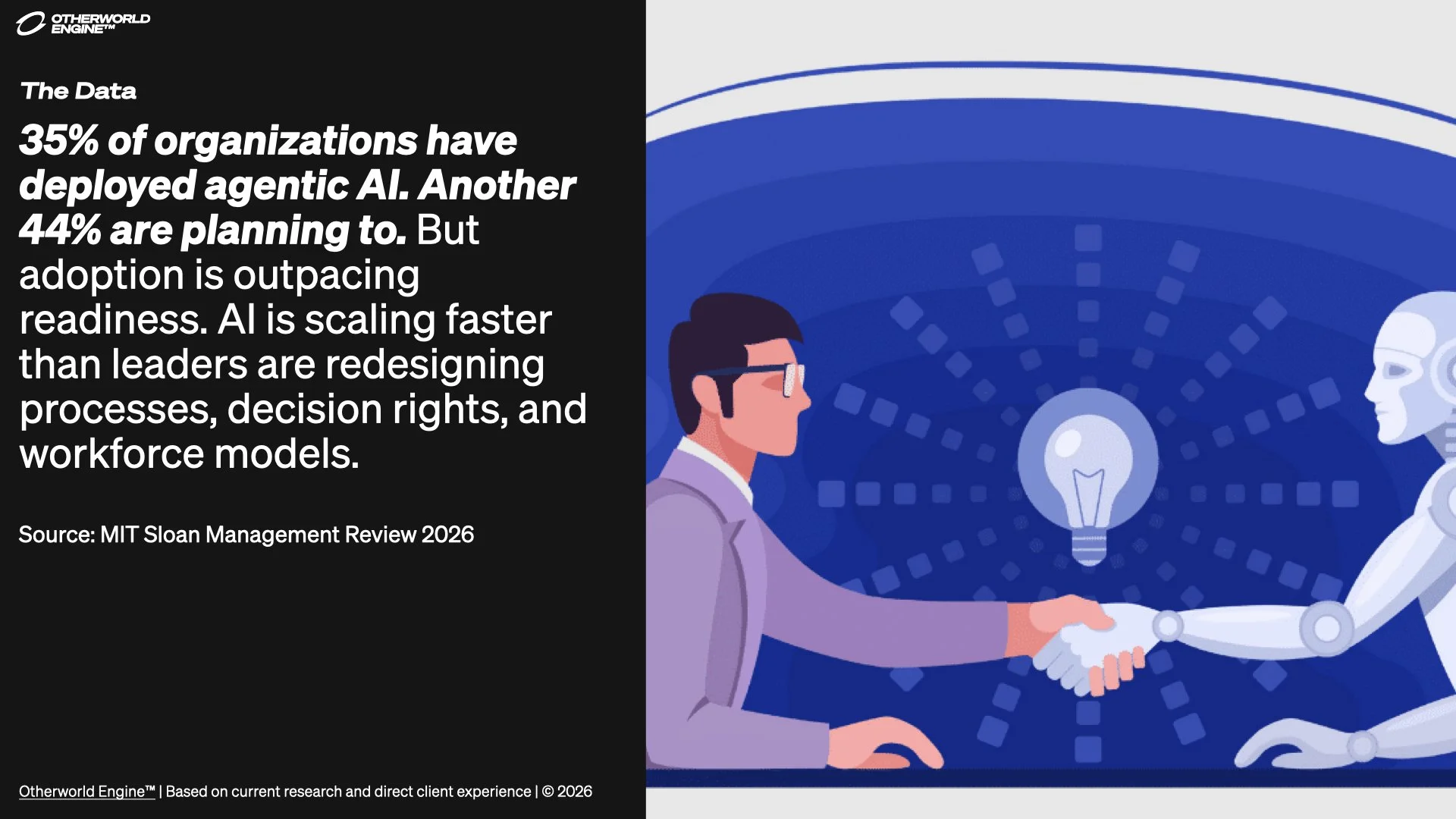
The adoption gap is already forming. MIT Sloan found that 35% of organizations have deployed agentic AI with another 44% planning to. But adoption is outpacing organizational readiness. AI is scaling faster than leaders are redesigning processes, decision rights, and workforce models.
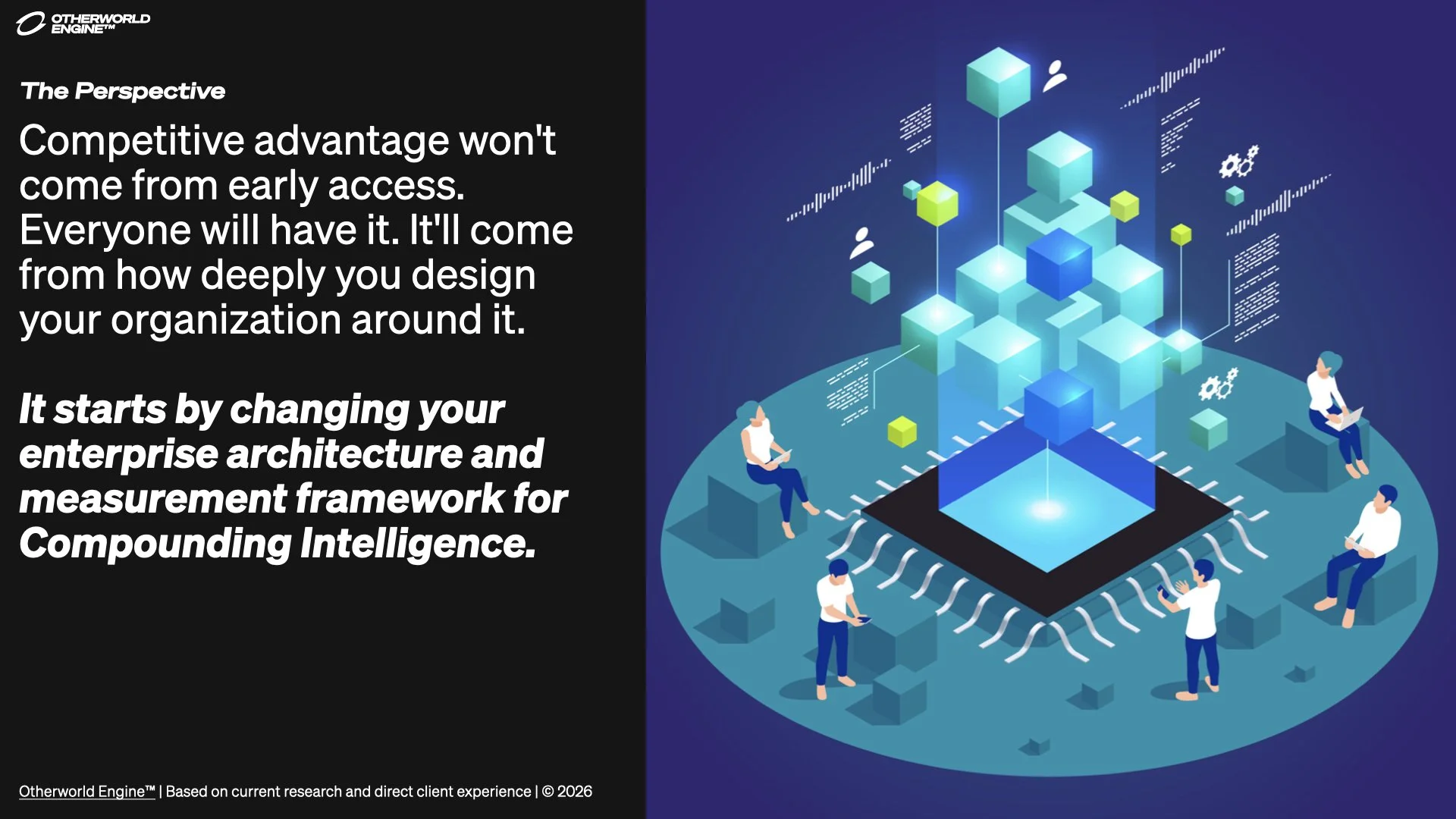
Here’s a new way for looking at it. Competitive advantage won’t come from early access to agentic AI. Everyone will have it. It’ll come from how deeply you design your organization around it. How work is structured. How decisions are governed. How human and AI roles are defined.
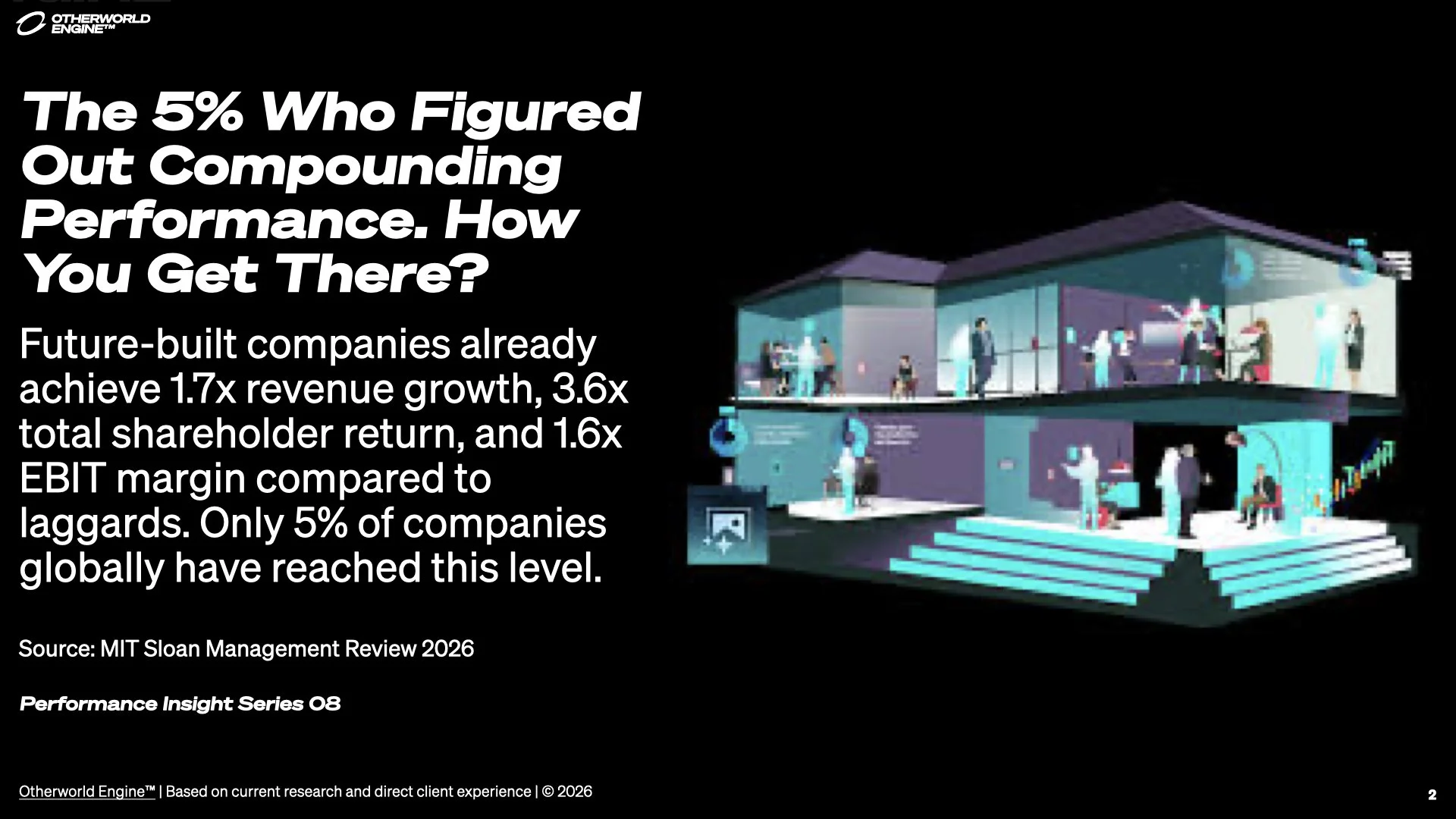
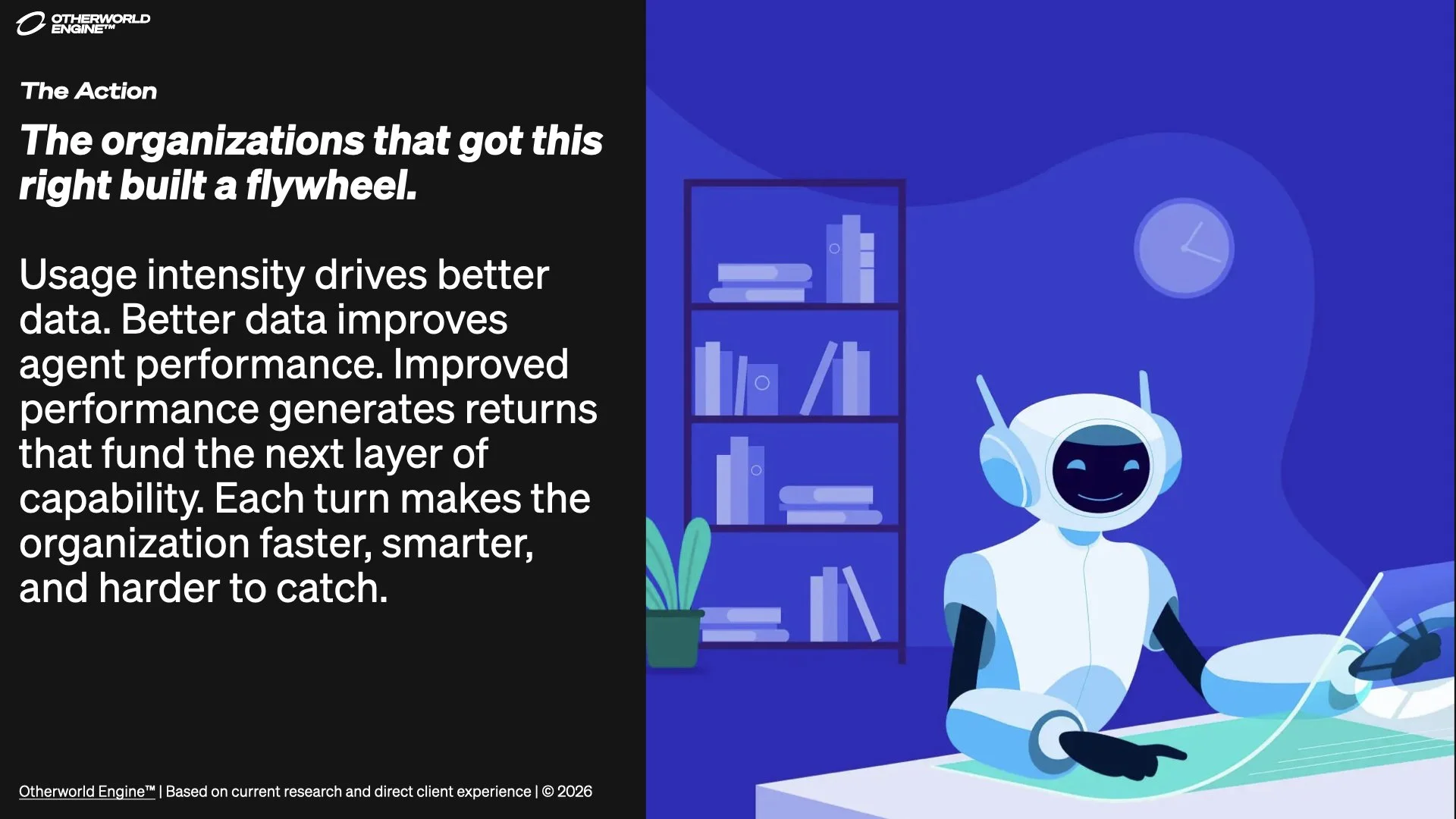
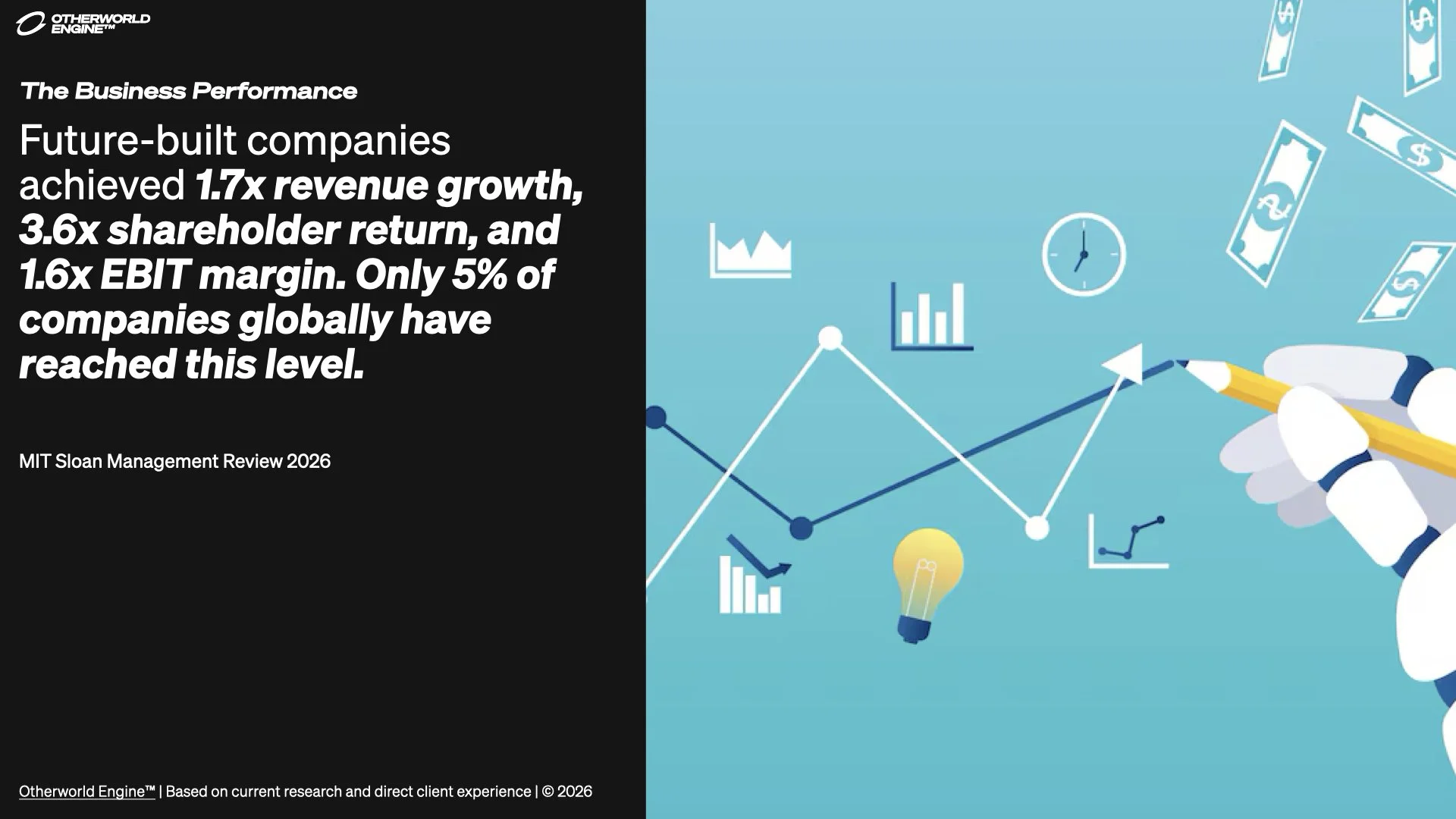
The organizations getting this right are building a flywheel. Usage intensity drives better data. Better data improves agent performance. Improved performance generates returns that fund the next layer of capability. Each turn makes the organization faster, smarter, and harder to catch. MIT Sloan found that future-built companies already achieve 1.7x revenue growth, 3.6x total shareholder return, and 1.6x EBIT margin compared to laggards. Only 5% of companies globally have reached this level.
The compounding intelligence advantage is real, measurable, and structural. It isn't about which tools you deploy. It’s about how deeply AI is integrated as a system, how well your data foundation supports continuous learning, and how quickly early gains are reinvested into the next capability layer.
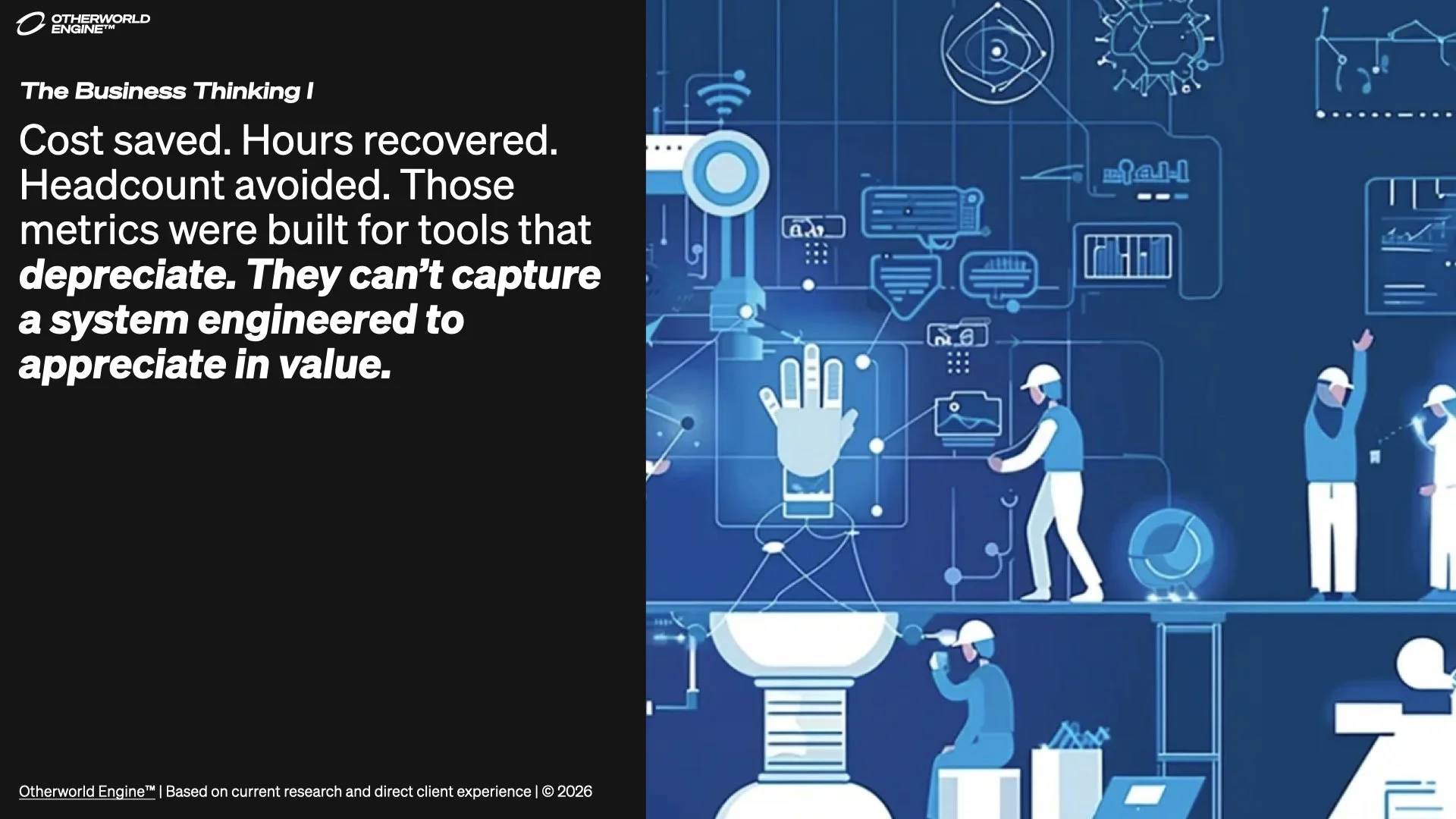
Most organizations will keep measuring agentic AI the same way they measured their last software implementation. Cost saved. Hours recovered. Headcount avoided. Those metrics were built for tools that depreciate. They can’t capture a system engineered to appreciate in value.
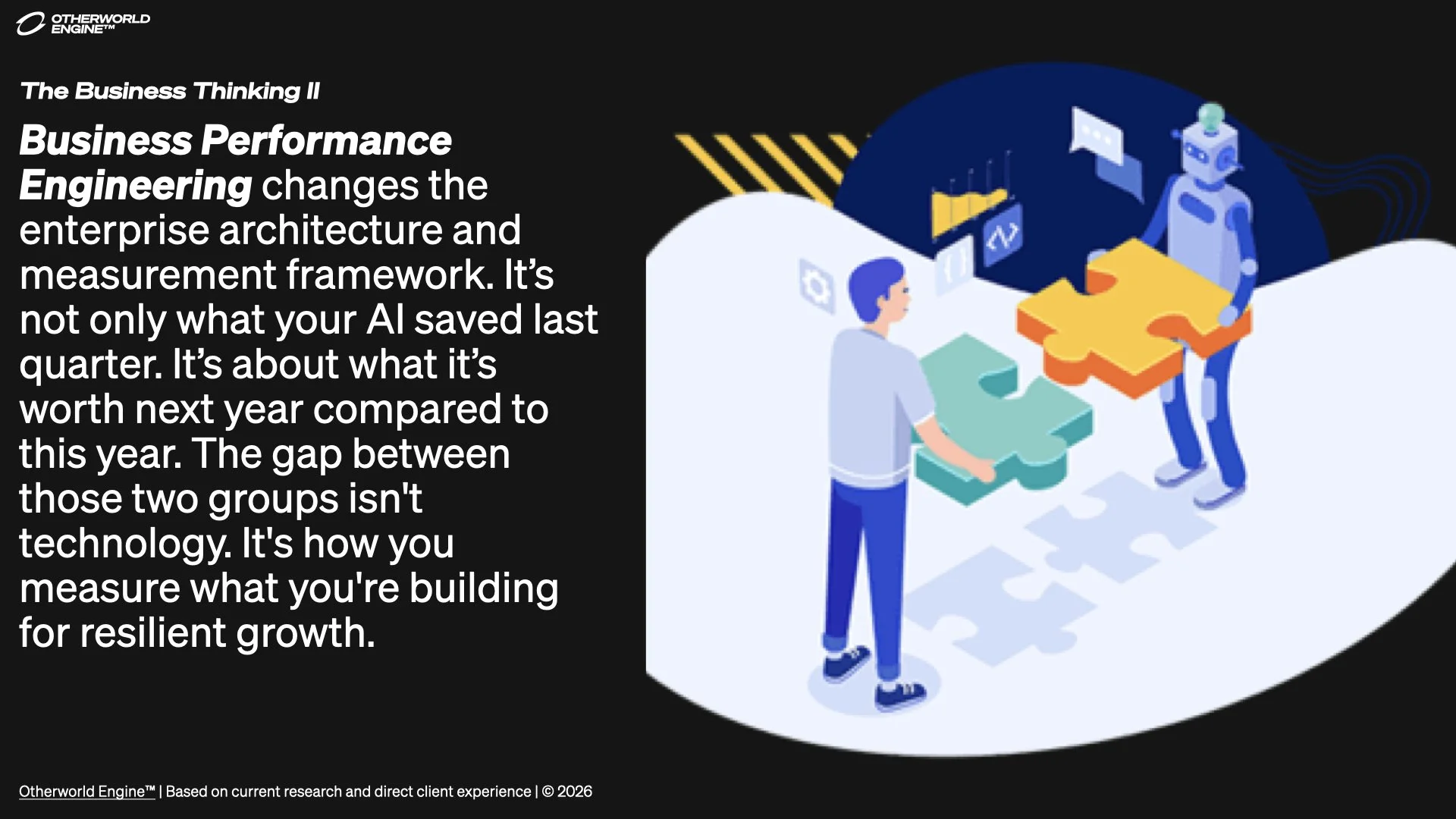
Business Performance Engineering starts by changing the enterprise architecture and measurement framework. We engineer Intelligent Performance Operating Systems around a different metric entirely: how fast the system compounds value across every cycle. Not only what it saved last quarter. What it is worth next year compared to this year.
The organizations that get this right will not just outperform. They’ll become structurally harder to compete with every single quarter. The ones that don’t will keep reporting efficiency gains while their competitors are compounding intelligence.
The gap between those two groups isn’t technology. It’s how you measure what you’re building.